
How RTP and Volatility Affect Online Casino Slots
When you log into a casino, the first thing that grabs your eye is the spinning reels of slots. A reference like mino casino can provide another useful angle on the subject. Behind the flashing symbols, two numbers sit quietly beside each title: the Return to Player (RTP) and the volatility rating. These figures shape the rhythm of every spin, determining how often you win and how large those wins might be. For a deeper dive into how RTP is calculated, check out . Understanding them before you wager can turn a casual session into a more informed experience.
A Closer Look at Rtp
RTP is a theoretical percentage that represents the amount of money a slot will return to players over an extended period. If a game listed in a casino offers an RTP of 96 percent, the expectation is that for every $100 wagered, $96 will eventually be paid back. The figure comes from the game’s underlying random number generator and the payout table. While no single session will mirror the RTP exactly, the long‑term trend tends to align with the stated value, giving players a benchmark for comparison across different casino titles.
Volatility, on the other hand, speaks to the frequency and size of payouts. A low‑volatility slot delivers smaller wins more often, creating a steady stream that keeps the bankroll alive. High volatility slots are the opposite: wins arrive less frequently but can explode into substantial sums when they do. Within a casino, the volatility rating thus informs how a player’s balance will ebb and flow during a play session, and it directly affects the emotional pacing of the game.
• RTP is a theoretical percentage that represents the amount of money a slot will return to players over an extended period
• While no single session will mirror the RTP exactly, the long‑term trend tends to align with the stated value, giving players a benchmark for comparison across different casino titles
• A low‑volatility slot delivers smaller wins more often, creating a steady stream that keeps the bankroll alive
• Conversely, a low‑volatility game with a modest RTP offers a more predictable, though potentially less lucrative, experience
• In practice, choosing the right slot starts with defining the desired play style
• At a casino, players can compare volatility across titles
Balancing Volatility and Rtp
When RTP and volatility collide, they shape a player’s strategy in subtle ways. In a casino setting, a slot with a high RTP but high volatility may keep the long‑term expectation favorable while still demanding patience for those big payouts. Conversely, a low‑volatility game with a modest RTP offers a more predictable, though potentially less lucrative, experience. Players who favor quick, regular wins often gravitate toward low volatility, while those chasing the thrill of a life‑changing jackpot tend to seek higher volatility, accepting the risk of longer dry spells.
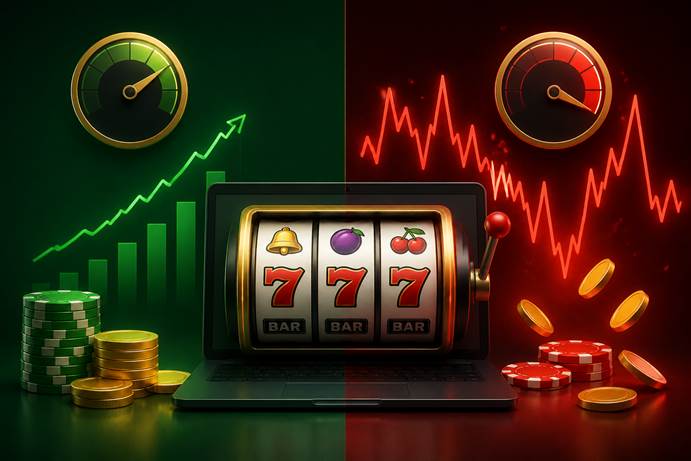
In practice, choosing the right slot starts with defining the desired play style. If you play at a casino with a tight bankroll and need to stretch your credits, a low‑volatility casino title can provide a smoother ride. If you have a larger cushion and relish the chase, a high‑volatility machine may suit you better. At a casino, players can compare volatility across titles. Regardless of choice, keeping an eye on the RTP helps ensure that the game’s theoretical return aligns with your expectations, while the volatility rating reminds you of the potential swings you might encounter.
Casino Experience, Spin, and the User Experience
In any casino, the interaction between RTP and volatility is what turns a simple spin into a calculated decision. By recognizing how these metrics affect the flow of wins and losses, a player can tailor their casino slot experience to match both their risk tolerance and entertainment goals. Remember that while the numbers offer guidance, every spin remains a random event governed by a fair algorithm—so play responsibly and enjoy the ride.
